

People all throughout the world love German Shepherds because they are smart, loyal, and good-looking. But what happens when German Shepherd dog breeds are mixed with other dogs? Most of the time, the effect is wonderful.
The best things about both parent species are passed down to their puppies when you cross German Shepherds with other dog breeds. A lot of people have liked designer dogs in the previous 20 years. They allow owners a number of options that can be better for their lifestyles than purebred German Shepherds.
Knowing about Dog Breeds Mixed with German Shepherd can help you choose the ideal dog for your family, whether you want a little dog that can live in an apartment or a huge dog that is friendly and protective like a German Shepherd.
Why Choose Dog Breeds Mixed with German Shepherd?
The appeal of German Shepherd mixes goes far beyond their often stunning appearances. These hybrid dogs represent a fascinating intersection of genetics, temperament, and practicality that many dog lovers find irresistible.
The Hybrid Vigor Advantage
Geneticists call the trait “hybrid vigor” or heterosis, and it usually helps mixed-breed dogs. By marrying two different purebred dogs, you can increase the gene pool and lower the risk of genetic disorders that affect purebred dogs.
German Shepherds are more likely to get degenerative myelopathy, elbow dysplasia, and hip dysplasia, even if they have many great features. You may preserve the great qualities of German Shepherds and lower the chances of these diseases by adding DNA from another breed.
You can’t always bank on hybrid vigor, though. A competent breeder who evaluates the health of the parents is still the greatest way to get a healthy puppy, whether it’s a mixed breed or a purebred.
Tailored Temperament and Size
Due to their high energy and space requirements, full-sized German Shepherds aren’t the best fit for everyone. German Shepherd mixes aren’t the only choice; there are many of others.
Are you looking for a little dog with all the brainpower of a German Shepherd? You might find what you’re seeking in a dog that is a mix of a German Shepherd and a Corgi.
Trying to find a protector who can take your protection to the next level? The German Shepherd-Rottie mix might be a good choice for you. While appreciating the entertaining unpredictability of mixed breeds, these mixtures allow prospective owners to speculate about certain traits.
Unique Appearances
The visual appeal is important, let’s be honest. Gorgeousness abounds in German Shepherd mixes, which combine traits seen only in purebred dogs.
These canines are sure to be conversation starters at the dog park, whether they’re a fluffy, bear-like German Shepherd Chow mix or a startling wolf-like German Shepherd Husky mix.
Popular Dog Breeds Mixed with German Shepherd
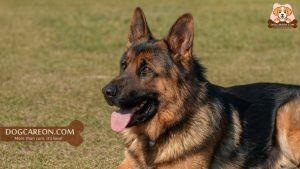
The world of German Shepherd mixes is vast and varied. Let’s explore some of the most popular combinations that have won over dog enthusiasts everywhere.
German Shepherd Golden Retriever Mix (Golden Shepherd)
The Golden Shepherd represents one of the most beloved dog breeds mixed with German Shepherd. This cross combines the German Shepherd’s protective loyalty with the Golden Retriever’s famously friendly disposition. The result? A family dog that’s both devoted and sociable.
Golden Shepherds typically weigh between 60-85 pounds and sport medium to long coats that require regular grooming. Their temperament leans toward the gentler side compared to purebred German Shepherds, making them excellent choices for families with children.
These dogs inherit high intelligence from both parents, which means they’re highly trainable but also require substantial mental stimulation. A bored Golden Shepherd can become destructive, so puzzle toys, training sessions, and interactive play should be daily priorities.
Health-wise, Golden Shepherds may inherit concerns from both breeds, including hip dysplasia and certain cancers common in Golden Retrievers. Regular veterinary check-ups and maintaining a healthy weight are crucial for longevity.
German Shepherd Husky Mix (Shepsky or Gerberian Shepsky)
If you’re searching for dog breeds mixed with German Shepherd that embody athleticism and striking beauty, the Shepsky deserves serious consideration. This cross produces medium to large dogs with piercing eyes (often blue or heterochromatic), erect ears, and dense double coats.
Shepskies are not for the faint of heart or sedentary lifestyle. Both parent breeds are working dogs bred for endurance and purpose. Your Shepsky will need at least 90 minutes of vigorous exercise daily—think running, hiking, agility training, or advanced obedience work.
Without adequate physical and mental outlets, these intelligent dogs can develop anxiety and destructive behaviors.
The shedding level of a Shepsky is legendary. Twice a year, they “blow” their undercoats, and you’ll find tumbleweeds of fur throughout your home. Invest in a high-quality vacuum and commit to brushing several times weekly (daily during shedding season).
Temperamentally, Shepskies can be more independent than other German Shepherd mixes due to the Husky’s free-spirited nature. Early socialization and consistent training are non-negotiable.
German Shepherd Labrador Mix (Sheprador or Lab Shepherd)
The Sheprador represents perhaps the most balanced of all dog breeds mixed with German Shepherd. Combining America’s most popular breed (Labrador Retriever) with the German Shepherd creates an adaptable, friendly, and trainable companion.
Shepradors generally weigh 55-80 pounds and possess shorter coats than many German Shepherd mixes, though they still shed year-round. Their temperament typically falls somewhere between the Labrador’s outgoing enthusiasm and the German Shepherd’s reserved dignity with strangers.
This makes them excellent family pets who can also serve as capable watchdogs.
One consideration with Shepradors is their food motivation inherited from the Labrador side. These dogs can be prone to obesity if diet isn’t carefully monitored. They’ll convince you they’re starving even after eating, so measure meals precisely and limit treats.
Exercise needs are substantial but manageable—about 60-90 minutes daily. Shepradors often excel in activities like dock diving, obedience competitions, and search-and-rescue training, channeling their working breed heritage productively.
German Shepherd Rottweiler Mix (Shepweiler)
For those seeking dog breeds mixed with German Shepherd that emphasize protection and guarding abilities, the Shepweiler stands out. This powerful combination produces dogs weighing 75-115 pounds with imposing presences and deep loyalty to their families.
Shepweilers inherit strong guarding instincts from both parent breeds, which means early socialization is absolutely critical. Without proper introduction to various people, animals, and situations during puppyhood, these dogs can become overly suspicious or reactive.
In experienced hands with proper training, however, Shepweilers make outstanding protection dogs who can distinguish between genuine threats and normal situations.
These mixes require confident leadership. They’re not recommended for first-time dog owners, as their size, strength, and protective nature demand consistent boundaries and training.
Positive reinforcement methods work best, as harsh corrections can damage the trust necessary for a healthy relationship.
Health concerns include hip and elbow dysplasia from both breeds, as well as heart conditions more common in Rottweilers. Selecting a puppy from health-tested parents significantly reduces these risks.
German Shepherd Pitbull Mix (Shepherd Pit)
The Shepherd Pit represents one of the more misunderstood dog breeds mixed with German Shepherd, largely due to unfair stigmas surrounding Pitbull-type breeds. These medium to large dogs (typically 50-80 pounds) can be wonderfully affectionate, loyal, and playful companions when properly raised.
Shepherd Pits often inherit the muscular build of the Pitbull parent with the German Shepherd’s alert expression and erect ears. Their energy levels are high, requiring substantial daily exercise and play.
Many Shepherd Pits excel in activities like weight pulling, spring pole, and agility work that allows them to use their strength constructively.
Temperament varies considerably depending on which parent’s traits dominate. Some Shepherd Pits are more aloof with strangers (German Shepherd tendency), while others are social butterflies (Pitbull tendency). Consistency in training and socialization determines much of the outcome.
Unfortunately, some insurance companies and rental properties discriminate against dogs with Pitbull heritage. This practical consideration should factor into your decision-making process.
German Shepherd Corgi Mix (Corman Shepherd)
Among dog breeds mixed with German Shepherd, the Corman Shepherd might be the most visually distinctive. Imagine a German Shepherd’s head, coloring, and personality compressed into a Corgi’s elongated body with short legs. The result is both adorable and functional.
These compact dogs typically weigh 25-65 pounds depending on which parent they favor. The shortened legs come from the Corgi’s dwarfism gene (chondrodysplasia), which, while creating the distinctive appearance, can contribute to back problems.
Corman Shepherds should avoid excessive jumping and be kept at healthy weights to minimize stress on their spines.
Despite their smaller stature, Corman Shepherds maintain the German Shepherd’s intelligence and herding instincts. They can be nippy with running children if not properly trained, as both parent breeds were developed to herd livestock.
Early training to redirect this instinct is important in family settings.
Their moderate size makes them better suited to apartment living than full-sized German Shepherds, though they still require daily walks and mental enrichment. Their loyalty and alertness make them surprisingly effective watchdogs.
German Shepherd Border Collie Mix (Shollie)
If you’re seeking the Einstein of dog breeds mixed with German Shepherd, look no further than the Shollie. Combining two of the world’s most intelligent working breeds creates a dog with extraordinary trainability and problem-solving abilities.
Shollies typically weigh 45-75 pounds and can inherit a variety of coat colors and patterns. Their intelligence is both their greatest asset and biggest challenge.
These dogs need jobs to do—whether that’s advanced obedience, herding trials, agility competitions, or complex trick training. Without sufficient mental stimulation, they’ll create their own entertainment, which usually means trouble for your belongings.
The Border Collie’s intense focus and herding drive combined with the German Shepherd’s loyalty creates a dog deeply bonded to their family but potentially obsessive about routines and activities. Some Shollies can develop compulsive behaviors like shadow chasing or excessive barking without proper outlets.
Exercise requirements are extreme—expect to dedicate 2+ hours daily to physical activity and training. Shollies thrive in active households with experienced dog owners who understand high-drive working breeds.
German Shepherd Poodle Mix (Shepadoodle)
The Shepadoodle represents one of the more recent additions to popular dog breeds mixed with German Shepherd. The Poodle’s hypoallergenic coat and intelligence make it a favored breeding partner for many breeds, and the German Shepherd pairing has gained significant traction.
Shepadoodles can vary considerably in size depending on whether a Standard, Miniature, or Toy Poodle is used (Standard is most common). Most Shepadoodles weigh 50-90 pounds with wavy to curly coats that require professional grooming every 6-8 weeks.
While often marketed as “hypoallergenic,” no dog truly is, though Shepadoodles may be better for people with mild allergies than German Shepherds.
These mixes inherit high intelligence from both parents, making them extremely trainable but also requiring consistent mental challenges. They tend to be more social and less aloof with strangers than purebred German Shepherds, though proper socialization remains important.
The Poodle influence often softens the German Shepherd’s sometimes serious demeanor, creating playful, affectionate companions who retain the loyalty and protective instincts of the German Shepherd parent.
Comparison Table: Popular Dog Breeds Mixed with German Shepherd
| Mix Name | Size (lbs) | Energy Level | Grooming Needs | Best For | Exercise (min/day) |
|---|---|---|---|---|---|
| Golden Shepherd | 60-85 | High | Moderate-High | Families, first-time owners | 60-90 |
| Shepsky | 45-80 | Very High | High | Active individuals/families | 90-120 |
| Sheprador | 55-80 | High | Moderate | Families, various lifestyles | 60-90 |
| Shepweiler | 75-115 | High | Moderate | Experienced owners, protection | 60-90 |
| Shepherd Pit | 50-80 | High | Low-Moderate | Active owners, experienced | 60-90 |
| Corman Shepherd | 25-65 | Moderate-High | Moderate | Apartments, smaller homes | 45-60 |
| Shollie | 45-75 | Very High | Moderate | Very active, working homes | 120+ |
| Shepadoodle | 50-90 | High | High | Families, allergy sufferers | 60-90 |
What to Consider Before Getting Dog Breeds Mixed with German Shepherd
The decision to welcome any dog into your home deserves careful consideration, but dog breeds mixed with German Shepherd come with specific considerations that can’t be overlooked.
Exercise and Mental Stimulation Requirements
German Shepherds were bred as tireless working dogs, and most breeds commonly mixed with them share similar high-energy backgrounds. Are you prepared for daily walks, training sessions, and active play regardless of weather?
Can you provide puzzle toys, nose work games, and ongoing training challenges? If your ideal evening involves hours on the couch, most German Shepherd mixes aren’t your best match.
Space Considerations
While some German Shepherd mixes (like the Corman Shepherd) can adapt to apartment living with sufficient exercise, most do best with secure yards where they can patrol and play.
These dogs need space to move, and cramped living conditions can contribute to anxiety and destructive behaviors.
Training Commitment
Intelligence cuts both ways. German Shepherd mixes learn quickly, which is wonderful when you’re teaching desired behaviors.
It’s less wonderful when they rapidly learn how to open cabinets, escape yards, or train you to give treats on demand. Consistent, ongoing training isn’t optional—it’s essential for a well-adjusted dog.
Grooming and Maintenance
Most German Shepherd mixes shed substantially. If you’re house-proud or have severe allergies, this matters.
Even the Shepadoodle, often touted as low-shedding, requires expensive professional grooming. Factor grooming time and costs into your decision.
Health Care Costs
Large breed dogs come with larger veterinary bills. From higher medication doses to the increased costs of procedures, budget accordingly.
Additionally, consider pet insurance early, as many German Shepherd mixes are prone to conditions that become expensive to treat.
Lifespan and Long-term Commitment
German Shepherd mixes typically live 10-14 years. That’s over a decade of daily walks, veterinary care, training, and companionship.
Are you prepared for this commitment through potential life changes like moves, relationship changes, or career shifts?
Training Tips for Dog Breeds Mixed with German Shepherd
Successfully training German Shepherd mixes requires understanding their unique needs and leveraging their considerable intelligence.
Start Early and Stay Consistent
Socialization and training should begin the moment you bring your puppy home. The critical socialization period ends around 16 weeks, so exposing your puppy to various people, animals, environments, and experiences during this window dramatically influences their adult temperament.
Consistency in rules and boundaries is equally crucial—if furniture is off-limits, it must always be off-limits.
Use Positive Reinforcement
German Shepherd mixes respond beautifully to positive reinforcement training methods. These intelligent dogs want to please their people, and reward-based training builds the strong bond essential for a great relationship.
Harsh corrections can damage trust and create fear-based behaviors that are difficult to remedy.
Provide Mental Challenges
Physical exercise alone won’t tire a German Shepherd mix. Incorporate training sessions, puzzle toys, nose work, and learning new tricks to engage their minds.
A mentally stimulated dog is a well-behaved dog.
Address Problem Behaviors Early
Don’t ignore early signs of problematic behaviors like excessive barking, jumping, or possessiveness. These issues rarely resolve on their own and typically worsen over time.
Professional trainers can help address concerns before they become ingrained habits.
Health Considerations for German Shepherd Mixes
While hybrid vigor can reduce some health risks, responsible ownership includes understanding potential issues in dog breeds mixed with German Shepherd.
Common Health Concerns
Hip and elbow dysplasia affect many large breed dogs, including most German Shepherd mixes. Reputable breeders health-test parents through organizations like the Orthopedic Foundation for Animals (OFA).
Degenerative myelopathy, a progressive spinal cord disease, appears in German Shepherds and may affect mixes. Bloat (gastric dilatation-volvulus) is an emergency condition affecting deep-chested breeds that requires immediate veterinary attention.
Preventive Care
Regular veterinary check-ups, appropriate vaccinations, parasite prevention, dental care, and maintaining a healthy weight form the foundation of preventive health care.
Quality nutrition appropriate for large, active breeds supports joint health and overall vitality.
When to Choose a Breeder vs. Rescue
Reputable breeders health-test parents, provide health guarantees, and offer lifetime support. They’re invested in producing healthy, well-adjusted puppies.
However, many wonderful German Shepherd mixes need homes through rescue organizations. Breed-specific rescues for German Shepherds often have mixes available, and these adult dogs come with known temperaments and fewer surprises than puppies.
Frequently Asked Questions
What is the best mix with a German Shepherd?
How you live and what you like will determine the best blend for your German Shepherd. A Golden Shepherd, which is a mix of a German Shepherd and a Golden Retriever, is a friendly, loyal dog that gets along well with kids.
For busy people, a Shepsky is a cross between a German Shepherd and a Husky. It has a lot of energy and looks great, making it a great dog for active individuals. Shepradors are very calm dogs. They are a mix of a German Shepherd and a Labrador Retriever. It can be trained, can do many things, and is nice.
You can get a good guard dog from a Shepweiler, which is a cross between a German Shepherd and a Rottweiler. But, only someone who knows what they’re doing should handle it. The little Corman Shepherd, which is a cross between a German Shepherd and a Corgi, is smart and stays small, which makes it a good choice for city dwellers.
The “best” mix for you will rely on how active you are, how much space you have, and how much dog experience you have. All German Shepherd mix dogs need a lot of exercise, training, and mental activity to be good pets.
Which dog breed is similar to a German Shepherd?
There are a number of dog breeds that are similar to German Shepherds. The Belgian Malinois is the dog that looks the most like it. It is clever, athletic, and employed by both the police and the military.
Dutch Shepherds are also quite similar to German Shepherds in terms of how they act and appear. The Belgian Tervuren is likewise faithful and simple to train, but it is a bit smaller. Shiloh Shepherds are made from German Shepherds. They are friendlier but yet have the same intellect and protective qualities.
Which dog breed has the strongest bite force?
The Turkish Kangal is a shepherd dog that is largely known as the dog breed with the strongest bite in the world. Not only is their bite strength significantly more than most dog breeds, but they are also massive animals that weigh, on average, between 100 and 150 pounds and are the height of an average Great Dane.
What dog is stronger than a German Shepherd?
There are dog breeds that are stronger than German Shepherds. Both dogs have stronger bites (328 PSI vs. 238 PSI), but the Rottweiler’s is bigger. Cattle Dogs and Mastiffs are stronger than other dogs because they are big.
It’s 743 PSI, which is the hardest bite of any dog breed. These dogs are pretty strong for how small they are. But being strong isn’t everything. German Shepherds are smarter, more quick, and better at adapting to new situations than most other working dogs. This is true even though they aren’t the biggest breed.
What is the most loyal dog breed?
People say that the German Shepherd is one of the most loyal dog breeds because they are very attached to their families. Akitas are exceptionally loyal canines who were originally meant to guard Japanese aristocracy.
Labrador Retrievers are highly devoted and constantly try to make their owners happy. Golden Retrievers are incredibly loyal dogs that are perfect for families. Rottweilers are incredibly loyal and create deep ties with their owners.
Rough Collies are regarded for being very faithful, just like Lassie. Doberman Pinschers are incredibly devoted to their homes and would do anything to defend them. But devotion isn’t only for one breed. No matter what breed it is, any dog that is reared with affection, the correct training, and regular care may become incredibly devoted.
Are German Shepherd mixes good with other pets?
If you raise your mixed-breed dog from a young age, it can get along nicely with other pets. A lot of dogs still really want to hunt, which could make them go after cats or other small creatures.
Dogs who are mixed with particular breeds, like Labrador or Golden Retrievers, are more likely to get along with other pets than dogs that are mixed with high-energy breeds, such Huskies or Border Collies.
You can’t stress enough how crucial it is to develop friends early, introduce individuals cautiously, and keep an eye on them. Not all adult German Shepherds get along well with little animals. Some people can’t handle them since they have strong prey drives, but others are fine with two or more pets.
How much does a German Shepherd mix puppy cost?
Prices for German Shepherd mixes rely on how rare they are, how well-known the breeder is, where you live, and how much people want their offspring. Shepadoodles and other unique mixes that are of high quality cost at least three grand.
Spend between $500 and $1,500, based on the set. The first visit to the vet is generally covered by the $100 to $500 adoption fee at a shelter or rescue.
After the initial cost, you need to think about ongoing costs like high-quality food ($60 to $100 a month), doctor visits ($500 to $1,000 a year), training programs ($150 to $300), toys, grooming supplies, and emergency medical insurance. It costs more than $20,000 to take care of a large size dog for their whole life.
What is the lifespan of German Shepherd mixed breeds?
Most German Shepherd-descended dogs live 10–14 years. Their lifespan varies on size, genetics, mix, and quality of care at different ages.
The spectrum includes tiny mixtures like Corman Shepherds and Shepweilers with lengthy lifespans and larger, heavier mixes with shorter lifespans. Longevity depends on maintaining a healthy weight, exercising, eating well, addressing health issues quickly, and seeing the vet often.
Mixed-breed German Shepherds may outlast purebreds with inherited ailments due to their hybrid vigor.
Conclusion
Although they share many of the beloved traits of the original German Shepherd breed, dogs who are genetically related to them may display an incredible variety of traits, personality quirks, and levels of adaptation to human life. Any combination of the three, whether a friendly Golden Shepherd, active Shepsky, or calm Sheprador—these dogs might be the one for you.
A German Shepherd mix is a smart, energetic, and devoted dog breed that needs lots of exercise, socialization, and consistent training. The rewards are substantial, despite the fact that these animals demand a lot of care.
As a loyal friend, an active travel companion, and a loving family member, your German Shepherd mix will bring immeasurable joy into your life.
Take ten years to think about your living situation, your history with dogs, and your ability to meet a dog’s demands before you bring one into your home. There are a lot of German Shepherd mixes available for adoption through rescue groups, or you can find reliable breeders who check the parents’ health and can help you choose one.
If your personalities mesh well, a puppy or young dog born to a German Shepherd and another breed could make a fantastic pet.
External Resources
For more information about German Shepherd mixes and finding the right dog for your family, visit the American Kennel Club’s website at https://www.akc.org for breed information, finding responsible breeders, and training resources. You can also explore rescue organizations specializing in German Shepherds and their mixes to consider