
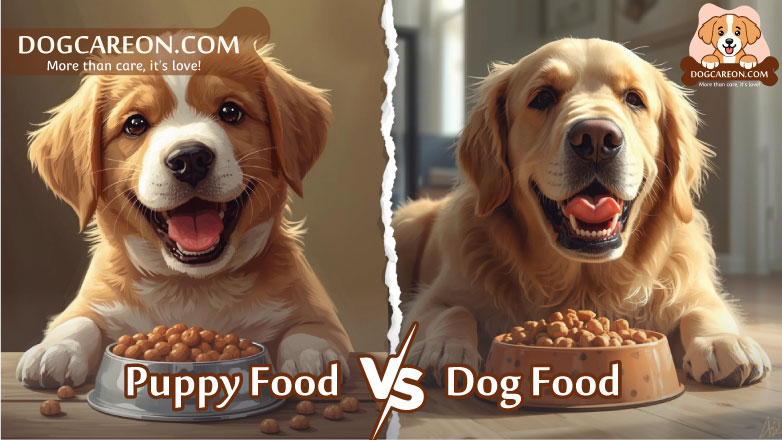
Choosing the right nutrition for your dog is one of the most important decisions you’ll make as a pet owner. The debate between puppy food vs dog food goes beyond simple marketing labels—it reflects fundamental differences in nutritional requirements at various life stages. While both types of food are designed for canines, puppy food contains higher levels of essential nutrients to support rapid growth and development, whereas adult dog food is formulated for maintenance and longevity. Understanding these distinctions ensures your furry friend receives optimal nutrition throughout their life. This comprehensive guide explores the science behind puppy food vs dog food, helping you make informed decisions about your pet’s dietary needs.
The Science Behind Canine Nutritional Requirements
Understanding Life Stage Nutrition
Dogs experience dramatically different nutritional needs throughout their lives. Puppies undergo an extraordinary transformation during their first year, potentially growing to 50 times their birth weight within six months. This explosive growth requires substantially more calories per pound of body weight compared to adult dogs. Puppies need higher concentrations of specific nutrients to support bone development, brain function, immune system maturation, and muscle growth.
Adult dogs have completed their growth phase and require nutrition focused on maintenance rather than development. Their caloric needs stabilize, and their nutritional profile shifts toward sustaining healthy body weight and organ function. Feeding an adult dog puppy food could lead to excessive weight gain, while feeding a puppy adult dog food may result in nutritional deficiencies that compromise development.
Metabolic Differences Between Puppies and Adult Dogs
The metabolic rate of puppies significantly exceeds that of adult dogs. Puppies burn calories much faster due to constant activity, rapid cell division, and enormous energy demands of growth. They require frequent meals throughout the day—typically three to four times daily for young puppies, gradually transitioning to twice daily as they mature.
Adult dogs have slower, more efficient metabolisms calibrated for their fully developed bodies. Their metabolism is more stable with fewer dramatic fluctuations. This explains why adult dogs typically eat only once or twice daily and why overfeeding can quickly lead to obesity. The digestive systems also differ, with puppies having developing digestive tracts that benefit from highly digestible nutrient forms.
Key Nutritional Differences in Puppy Food vs Dog Food
Protein Content and Quality
Protein serves as the building block for every cell in a dog’s body. Puppy food typically contains 22-32% protein on a dry matter basis, while adult dog food contains 18-25% protein. This higher protein content supports rapid tissue development, muscle growth, and cellular reproduction during the puppy stage.
Quality matters as much as quantity. Puppy food should contain highly bioavailable protein sources like chicken, beef, fish, lamb, or eggs as primary ingredients. These animal-based proteins provide complete amino acid profiles essential for proper development, supporting not just muscle growth but also enzyme production, hormone creation, and antibody formation critical for immune function.
Fat Content and Essential Fatty Acids
Fat provides concentrated energy, facilitates vitamin absorption, supplies essential fatty acids, and makes food palatable. Puppy food contains 8-20% fat content compared to 5-15% in adult dog food. This higher fat content delivers calorie-dense nutrition puppies need without overwhelming their small stomachs.
DHA (docosahexaenoic acid), an omega-3 fatty acid, is especially important for brain and eye development during puppyhood. Many premium puppy foods are supplemented with fish oil to ensure adequate DHA levels. For adult dogs, fat remains important but in moderation to prevent obesity and associated health problems.
Calcium and Phosphorus Ratios
The calcium to phosphorus ratio represents one of the most critical differences when examining puppy food vs dog food. Puppy food contains 1.0-1.8% calcium and 0.8-1.6% phosphorus with a ratio between 1:1 and 1.8:1. This careful balance is crucial because both deficiency and excess can cause serious developmental orthopedic diseases, particularly in large breed puppies.
Adult dog food contains lower levels since bone growth is complete. Excessive calcium in adult dogs contributes to urinary stones and other health issues. Large breed puppies require special attention—excessive calcium during rapid growth increases the risk of hip dysplasia and other bone diseases.
Caloric Density and Energy Requirements
Puppies require approximately twice the calories per pound of body weight compared to adult dogs. A growing puppy might need 50-60 calories per pound of expected adult body weight, while an adult dog typically needs only 25-30 calories per pound. Puppy food delivers these concentrated calories in smaller portions appropriate for puppy-sized stomachs.
Adult dog food provides adequate calories for maintenance and typical activity levels without promoting weight gain. The caloric density is adjusted based on expected activity levels, allowing flexibility for different lifestyles.
Comparative Analysis: Puppy Food vs Dog Food
| Nutritional Component | Puppy Food | Adult Dog Food | Purpose/Reason |
|---|---|---|---|
| Protein Content | 22-32% | 18-25% | Supports rapid tissue development |
| Fat Content | 8-20% | 5-15% | Provides concentrated energy for growth |
| Calcium | 1.0-1.8% | 0.5-1.2% | Essential for bone formation |
| Phosphorus | 0.8-1.6% | 0.4-1.0% | Works with calcium for skeletal growth |
| Caloric Density | 350-500 kcal/cup | 300-400 kcal/cup | Meets higher energy demands |
| DHA (Omega-3) | Enhanced levels | Standard levels | Critical for brain development |
| Feeding Frequency | 3-4 times daily | 1-2 times daily | Matches metabolic rate |
Breed Size Considerations
Small Breed Nutritional Needs
Small breed dogs (under 20 pounds at adult weight) reach maturity faster—usually by 9-12 months—and have exceptionally fast metabolisms. Their tiny mouths and stomachs require smaller kibble sizes and calorie-dense nutrition packed into small volumes. Small breed puppy food features smaller kibble pieces and often even higher caloric density than standard puppy food.
The transition to adult food happens earlier for small breeds. A Yorkshire Terrier might switch at 9-10 months, while a Great Dane might remain on puppy food until 18-24 months.
Large and Giant Breed Special Requirements
Large breed puppies (over 50 pounds expected adult weight) experience prolonged growth periods extending 18-24 months. Their rapid weight gain puts enormous stress on developing bones and joints. Large breed puppy food features controlled calcium levels—typically not exceeding 1.5%—to promote steady, controlled growth rather than maximum rapid growth.
Too-rapid growth in large breed puppies is associated with hip dysplasia, elbow dysplasia, and other skeletal problems, causing lifelong pain. The caloric density in large breed puppy food is often slightly lower thanthat of standard puppy food to prevent excessive growth rates.
The Transition Period: When and How to Switch
Determining the Right Timing
Small breed dogs typically transition around 9-12 months, medium breeds around 12 months, large breeds at 12-18 months, and giant breeds at 18-24 months. Your veterinarian can assess whether your puppy has reached skeletal maturity. Premature switching can deprive growing puppies of essential nutrients, while delayed switching can contribute to obesity.
How to Transition Safely
Transition gradually over 7-10 days to prevent digestive upset. Begin by mixing 25% new adult food with 75% puppy food for 2-3 days. Then shift to 50-50 for 2-3 days, followed by 75% adult food with 25% puppy food for 2-3 days, before completing the transition. Monitor for digestive distress and adjust portion sizes since caloric density differs between puppy and adult formulas.
Common Misconceptions About Puppy Food vs Dog Food
“All-Life-Stages” Food Solves Everything
While “all life stages” foods meet AAFCO standards for both growth and maintenance, they’re essentially puppy food formulated to meet higher puppy requirements. This means they exceed adult nutritional needs and can contribute to obesity in less active adult dogs. For large breed puppies, all-life-stages food may exceed the appropriate calcium levels needed for controlled growth.
“Puppies Can Eat Adult Food if Given Enough”
This approach is fundamentally flawed. The issue isn’t just calories—it’s about nutrient density and ratios. Even when consuming enough adult food to meet caloric needs, puppies wouldn’t receive adequate protein, essential fatty acids, calcium, phosphorus, and vitamins in proper ratios for healthy development. A puppy’s stomach can only hold so much, and adult food isn’t concentrated enough to deliver necessary nutrients within that volume.
“Adult Dogs Can Eat Puppy Food Without Problems”
While adult dogs won’t become immediately ill from eating puppy food, chronic consumption creates significant health risks. The high caloric density quickly leads to obesity in adult dogs who aren’t burning calories through growth. Elevated calcium and phosphorus levels aren’t appropriate for adults, potentially contributing to urinary stones and kidney problems.
Reading Dog Food Labels
Understanding AAFCO Statements
Quality dog foods display AAFCO nutritional adequacy statements indicating whether the food is formulated for growth (puppies), maintenance (adults), or all life stages. Look for statements like “formulated to meet the nutritional levels established by the AAFCO Dog Food Nutrient Profiles for growth.” These statements confirm that foods meet recognized nutritional standards.
Ingredient Lists and Guaranteed Analysis
Quality puppy and dog foods should list specific animal proteins (chicken, beef, fish, lamb) within the first few ingredients. The guaranteed analysis panel provides minimum percentages of crude protein and crude fat, along with maximum percentages of crude fiber and moisture. For puppy food, verify protein content is at least 22% and fat at least 8% on a dry matter basis.
Cost Considerations
Puppy food typically costs 10-30% more per pound than adult dog food, reflecting higher quality protein sources and elevated nutrient levels. However, puppies eat for a relatively short period—less than a year for small breeds, up to two years for giants. The total investment represents a small fraction of lifetime feeding costs.
Attempting to save money by feeding adult food to puppies is false economy. Developmental problems from inadequate nutrition create veterinary expenses far exceeding cost savings. Premium puppy food represents a preventive health investment, as the foundation established during puppyhood influences lifelong health outcomes.
Frequently Asked Questions
Can I feed my puppy adult dog food in an emergency?
One or two meals of adult dog food won’t harm your puppy in a true emergency. However, this should only be a temporary solution lasting no more than a day or two. Adult dog food lacks the concentrated nutrition puppies need for proper development. If caught without puppy food, feeding small amounts of cooked chicken with rice can serve as a temporary bridge.
How do I know if my puppy is getting enough nutrition?
Monitor your puppy’s growth rate, energy levels, coat quality, and stool consistency. Healthy puppies are energetic and playful with shiny coats and firm stools. Your veterinarian will track weight gain during regular visits, ensuring appropriate growth rates. You should be able to feel your puppy’s ribs with gentle pressure but not see them prominently.
What if my adult dog prefers puppy food?
Many adult dogs find puppy food more palatable due to higher fat content. However, palatability shouldn’t determine diet choices. Continuing puppy food for adults leads to obesity and potential health problems. Try a gradual transition, consider different protein sources, and ensure no one offers table scraps that might reduce appetite. Most dogs adjust within a week or two if offered consistently.
Are there dogs that should stay on puppy food longer?
Large and giant breed dogs benefit from extended time on puppy food, sometimes until 18-24 months, due to prolonged growth periods. Underweight dogs recovering from illness, highly active working dogs, or pregnant/nursing dogs might also benefit. However, these decisions should be made with veterinary guidance based on individual health assessments.
Is the puppy food vs dog food distinction just marketing?
No, this distinction reflects genuine biological differences in nutritional requirements at different life stages. Extensive research has established unique needs of growing puppies versus mature dogs. Formulation differences in protein, fat, minerals, and vitamins directly correspond to physiological requirements documented through scientific study. Organizations like AAFCO establish standards based on decades of nutritional research.
Can I mix puppy food and adult dog food together?
Mixing puppy food and adult dog food creates an unpredictable nutritional profile that may not meet specific needs of either puppies or adult dogs. The only appropriate time to mix these foods is during the controlled transition period when gradually switching from puppy to adult food. Outside this transition, each dog should receive food formulated for their specific life stage.
Conclusion: Making the Best Choice for Your Dog’s Health
Understanding the significant differences between puppy food vs dog food empowers you to make informed nutritional decisions supporting your dog’s health throughout their life. The distinctions in protein, fat, minerals, vitamins, and caloric density reflect scientifically established nutritional requirements that change as dogs mature from rapid growth to maintenance phases.
Investing in proper puppy nutrition establishes the foundation for lifelong health, supporting optimal bone development, muscle growth, cognitive function, and immune system maturation. While premium puppy food may cost more initially, this investment prevents costly developmental problems that inadequate nutrition can cause. As your puppy matures, transitioning to appropriately formulated adult dog food prevents obesity and health problems associated with excessive nutrients.
Whether you’re welcoming a new puppy or caring for an adult dog, selecting the right food demonstrates your commitment to their wellbeing. By understanding the science behind puppy food vs dog food, you can confidently provide nutrition that supports your dog’s health, happiness, and longevity.
For additional information on canine nutrition and feeding guidelines, visit the American Kennel Club’s comprehensive nutrition resources at https://www.akc.org/expert-advice/nutrition/ or consult with the Pet Nutrition Alliance at https://petnutritionalliance.org for science-based feeding recommendations.
Your dog depends on you for proper nutrition—making informed choices about puppy food vs dog food is one of the most loving actions you can take as a responsible pet owner. Here’s to many happy, healthy years with your canine companion!
A very helpful comparison! The clear explanation of puppy vs. dog food makes it easy for pet owners to choose the right option at each life stage.
Thanks a lot for your kind words! 🐶 I’m happy to hear the puppy vs. dog food comparison was clear and useful for different life stages.