

Every dog owner worries learning that their cherished pet was injured while grooming. The ensuing uncertainty, anger, and terror can be too much to handle. But knowing what to do when a groomer cuts your dog can make all the difference in protecting your pet’s health and your legal rights.
No matter how little, each injury received while grooming has to be treated right away and meticulously documented. From administering first aid to researching your legal rights, this thorough handbook will make it simple for you to deal with any situation. Understanding what to do when a groomer cuts your dog empowers you to act quickly, advocate for your pet, and prevent similar incidents in the future.
Understanding Grooming Injuries: What to Do When a Groomer Cuts Your Dog
Grooming should be a routine part of your dog’s care, not a source of trauma. Unfortunately, accidents do happen, and understanding the types of injuries helps you respond appropriately when dealing with what to do when a groomer cuts your dog.
Common Types of Grooming Cuts and Injuries
Burns from clippers are one of the most common grooming injuries. These happen when clippers are too hot or are kept too near to skin that is sensitive for too long. The end result? Skin that is red, itchy, and may blister and become infected if not addressed.
You may not realize it, but scissor cuts happen a lot. Even groomers who have done it a lot may mistakenly cut a dog that moves suddenly. These might be little scratches or bigger cuts that need sutures.
Injuries to the ears are especially worrisome. When you cut your ears, the delicate skin bleeds a lot, and infections may develop fast in this warm, wet place.
Cutting into the quick of the nail, known as nail quicking, hurts right away and produces blood. Even though it’s not really a “cut,” it’s a regular grooming injury that makes both dogs and their owners upset.
Shampoo, scissors, or grooming instruments that are too close to the face might hurt the eyes badly. Any damage to the eye has to be looked at by a vet very once.
Why Do Grooming Injuries Occur?
Let’s face it: grooming is no picnic. Even the most docile dog may experience restlessness or anxiety while being groomed, so don’t expect perfect cooperation every time.
There is no safe way for inexperienced groomers to deal with challenging circumstances. They can use the wrong kind of leash or fail to notice when a dog is poised to make a rapid movement.
Dangerous circumstances are caused by inadequate restraint. A dog may yank away unexpectedly if it isn’t securely fastened (in a humane manner, of course).
Hastily scheduled appointments almost often end in tragedy. Overbooked or under pressurized groomers are more likely to make blunders. Time is required for quality grooming.
Most individuals don’t know how important it is to properly maintain equipment. A dull blade increases the likelihood of burns or cuts due to the increased friction that results from using more force and more passes.
Injuries might occur due to a lack of training on breed-specific requirements. Approaches must be tailored to the specific coat type and skin sensitivity of each individual pet.
First Critical Action: What to Do When a Groomer Cuts Your Dog – Assess the Injury
Take a deep breath and assess the situation before you freak out. Could it be anything more severe, or just a little scrape on the surface?
See how deep and how big the wound is. Deep wounds need veterinary care, although minor scratches may only require washing.
Pay attention to where the wound is. More serious than cuts on less delicate portions of the body are those that are close to the eyes, joints, or other sensitive places like the paw pads or ears.
Watch how your dog acts. Do they seem to be in discomfort, whimpering, or limping? Any changes in behavior might be a sign that the injury is worse than it seems.
Feel for signs of active bleeding. Compared to heavy or persistent bleeding, little bleeding that ceases soon is not a medical emergency.
What to Do When a Groomer Cuts Your Dog: Provide Immediate First Aid
Quick first aid may lessen pain and infection if the wound is small and you feel comfortable treating it.
Apply gentle pressure with a clean cloth or gauze to stop bleeding. Don’t peek constantly—sustained pressure for 3-5 minutes works best.
Using lukewarm water or a salt solution, cleanse the wound. Stay away from alcohol and hydrogen peroxide; they may harm tissues and slow down the healing process.
Veterinarian permission is required before administering any drug to a person. Canines can’t handle several OTC items that are perfectly OK for people.
Prevent your canine from licking the cut. Avoid further discomfort and infection by using an Elizabethan collar, often known as a cone.
Keep an eye out for symptoms of shock, such as drowsiness, quick breathing, or pale gums. Urgent veterinarian attention is necessary for these symptoms.
What to Do When a Groomer Cuts Your Dog: Contact Your Veterinarian
Call your veterinarian if you’re unsure. A professional evaluation guarantees that nothing is missed, even if the damage seems to be slight.
Give a thorough description of the injury, including the time it happened, its size and location, and your dog’s present state of health.
Find out whether home care is enough or if you need come in right away. Your veterinarian can provide tailored advice since they are familiar with your dog’s medical history.
Before you leave the grooming facility, take pictures of the injuries. Medical records and any legal action benefit greatly from visual recording.
Obtain copies of any injury-related medical records. These records demonstrate the link between the injury and grooming.
When Veterinary Care Is Absolutely Essential
Some injuries need to be looked at by a doctor. In these cases, don’t try to treat yourself at home:
If you have a deep cut that shows underlying tissue or won’t stop bleeding after 10 minutes of pressure, you need to see a doctor very once.
Emergency attention is needed for injuries near or around the eyes. If not addressed right once, eye injuries may cause lifelong damage.
If the injury is swollen, has pus, is redder than usual, or smells bad, it has to be treated by a doctor.
If your dog is acting differently, such being lazy, not eating, or having a temperature, it might be a sign of difficulties.
If you’re not sure how to deal with an injury, you should take it to the vet. It’s better to be safe than sorry.
What Veterinary Treatment May Involve
Understanding potential treatments helps you prepare emotionally and financially for what to do when a groomer cuts your dog.
Wound cleaning and debridement removes dead tissue and contaminants, promoting healing and preventing infection.
Sutures or staples may be necessary for deeper cuts. Your vet determines the best closure method based on wound location and depth.
Antibiotics prevent or treat infection. Your vet prescribes these based on wound severity and infection risk.
Pain management ensures your dog’s comfort during healing. This may include oral medications or injectable pain relief.
Follow-up appointments monitor healing progress. Most wounds require at least one recheck to ensure proper recovery.
Essential Documentation: What to Do When a Groomer Cuts Your Dog
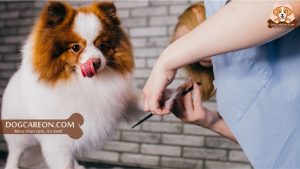
Documentation is your best friend when dealing with grooming injuries. Even if you don’t anticipate legal action, thorough records protect your interests.
Take multiple clear photographs from different angles. Capture the injury immediately after discovery and throughout the healing process.
Write down exactly what happened, including the time you dropped off your dog, when you picked them up, and when you discovered the injury.
Note the names of everyone you speak with at the grooming facility, including dates and times of conversations.
Save all receipts, invoices, and communications. These prove your dog was at the facility and document the services provided.
Record your dog’s symptoms and behavior changes. This creates a timeline showing how the injury affected your pet.
What to Do When a Groomer Cuts Your Dog: Communicate Professionally
How you handle the initial conversation can significantly impact the outcome. Stay calm, professional, and focused on facts.
Approach the Conversation Calmly
I know it’s hard when you’re upset about your injured pet. But approaching the situation with composure yields better results than anger.
Schedule a face-to-face meeting if possible. Phone calls lack the nuance of in-person communication and make misunderstandings more likely.
Bring your documentation and photos. Visual evidence makes the situation concrete and harder to dismiss.
Explain what happened without accusations. Start with “I discovered this injury after grooming” rather than “You hurt my dog.”
Listen to the groomer’s explanation. There may be context you’re unaware of, such as a pre-existing condition or an incident during grooming they should have reported.
What to Expect from a Professional Groomer
Reputable groomers take injuries seriously and respond professionally. Here’s what you should expect:
Immediate acknowledgment of the injury. Professional groomers don’t deny obvious injuries or blame the owner.
A detailed explanation of what happened during grooming. Honest groomers explain the circumstances, even if uncomfortable.
An apology, regardless of fault. Professional service providers apologize when clients’ pets are injured in their care.
Offer to cover veterinary costs. Many professional groomers have insurance specifically for this purpose.
Willingness to provide written documentation. Professional businesses don’t hide from paper trails.
Red Flags: When a Groomer’s Response Is Inadequate
Not all groomers respond appropriately. Watch for these warning signs:
Outright denial that the injury occurred at their facility. This is dishonest and unacceptable.
Blame shifting to you or your dog. While dog behavior contributes to some accidents, professionals take responsibility for their role.
Refusal to provide documentation or incident reports. This suggests they’re trying to avoid accountability.
Aggressive or dismissive responses to your concerns. Professional service providers treat client concerns respectfully.
Unwillingness to discuss compensation or next steps. This indicates they’re not taking the situation seriously.
Financial Aspects: What to Do When a Groomer Cuts Your Dog and Who Pays
The financial burden of treating grooming injuries can be substantial. Understanding your options helps you recover costs.
Understanding Liability and Responsibility
Determining who’s financially responsible depends on several factors when figuring out what to do when a groomer cuts your dog.
Professional negligence occurs when a groomer fails to meet reasonable care standards. This makes them liable for resulting injuries.
Accidents without negligence are trickier. If a groomer used proper techniques and precautions, but an unavoidable accident occurred, liability is less clear.
Pre-existing conditions complicate matters. If your dog had a skin condition or injury before grooming, determining causation becomes difficult.
Your service agreement matters. Review what you signed—many grooming contracts include liability waivers and dispute resolution clauses.
Requesting Compensation from the Groomer
Professional groomers often have insurance to cover client pet injuries. Here’s how to request compensation:
Submit a formal written request outlining the injury, treatment received, and costs incurred. Include copies of all documentation.
Be specific about what you’re requesting. List all veterinary bills, missed work time if applicable, and other documented expenses.
Set a reasonable deadline for response. Two weeks is typical for initial response to compensation requests.
Keep communication professional and documented. Email is ideal because it creates a written record.
Consider mediation if direct negotiation fails. Many communities offer small claims mediation services that avoid court.
Insurance Options and Coverage
Understanding insurance helps you recover costs and prepare for future incidents.
Grooming business liability insurance should cover injuries caused by groomer negligence. Professional groomers carry this coverage specifically for client pet injuries.
Your pet insurance may cover injuries regardless of fault. Check your policy for accident coverage and file a claim.
Homeowner’s or renter’s insurance occasionally covers pet injuries, though this is rare. Review your policy or contact your agent.
Small claims court is an option if the groomer refuses to pay and damages fall within your state’s small claims limit (typically $5,000-$10,000).
Legal Rights: What to Do When a Groomer Cuts Your Dog
Sometimes, despite your best efforts, situations require legal intervention. Understanding your options helps you make informed decisions about what to do when a groomer cuts your dog.
Evaluating Whether Legal Action Is Warranted
Not every injury justifies legal action. Consider these factors:
Severity of the injury matters significantly. Minor cuts requiring minimal treatment rarely warrant legal proceedings.
Financial impact includes immediate veterinary costs and potential long-term complications requiring ongoing care.
Groomer’s response influences decisions. If they’ve been cooperative and fair, legal action may be unnecessary.
Emotional toll on you and your dog is a legitimate consideration, though harder to quantify legally.
Principle of the matter drives some owners to pursue action even for minor injuries, especially if the groomer’s response was inadequate.
Small Claims Court: A Practical Option
For most grooming injury cases, small claims court offers an accessible, affordable legal remedy.
Small claims courts handle disputes involving limited amounts (varies by state). Most grooming injury cases fall within these limits.
You don’t need a lawyer for small claims court. The process is designed for regular people to represent themselves.
Filing fees are minimal, typically $30-$100 depending on your location and claim amount.
The process is relatively quick, with hearings usually scheduled within 2-3 months of filing.
Documentation wins small claims cases. Your photographs, veterinary records, and written timeline are crucial evidence.
When to Consult an Attorney
Certain situations benefit from legal representation.
Serious injuries causing permanent damage or disability warrant attorney consultation. Stakes are too high to navigate alone.
Significant financial damages exceeding small claims limits require traditional lawsuit proceedings.
Complex liability issues involving multiple parties or unclear circumstances need professional legal analysis.
Uncooperative groomers who refuse to engage or provide documentation may respond better to attorney communication.
Breed-specific discrimination or suspected animal cruelty elevates cases beyond simple negligence.
Reporting to Regulatory Authorities
Beyond personal legal action, reporting protects other pets and holds businesses accountable.
Local business licensing agencies oversee grooming businesses and can investigate complaints, potentially revoking licenses for serious violations.
State boards or professional grooming associations may have oversight depending on your location.
Animal control should be contacted if you suspect abuse or cruelty rather than accidental injury.
Consumer protection agencies handle deceptive business practices or systematic problems.
Online reviews, while not “official” reporting, warn other pet owners. Be factual and avoid defamatory statements.
Prevention Tips: What to Do When a Groomer Cuts Your Dog Won’t Happen Again
The best outcome is preventing injuries altogether. These strategies help you select safe grooming services.
Red Flags When Selecting a Groomer
Trust your instincts. If something feels off during your facility visit, it probably is.
Dirty or chaotic facilities suggest poor attention to detail and safety. Professional groomers maintain clean, organized workspaces.
Unwillingness to let you tour the facility is a major red flag. Reputable groomers have nothing to hide.
Groomers who don’t ask about your dog’s temperament, health issues, or sensitivities aren’t gathering necessary information.
No proof of training, certification, or experience is concerning. While not all states require licenses, professional groomers pursue education.
Extremely low prices often indicate corner-cutting on safety, time, or quality. Professional grooming costs reflect the skill and time required.
Green Flags: Signs of a Quality Groomer
What should you look for in a grooming facility?
Clean, well-lit facilities with proper ventilation create safe environments for pets and staff.
Calm, patient interaction with dogs demonstrates the temperament necessary for safe grooming.
Willingness to discuss their process, including how they handle anxious or difficult dogs, shows professionalism.
Proof of insurance and bonding protects you if accidents occur.
Certifications from recognized organizations like the National Dog Groomers Association of America demonstrate commitment to professional standards.
References from other clients, especially those with dogs similar to yours, provide real-world insight.
Preparing Your Dog for Grooming Success
Your preparation reduces injury risk by setting your dog up for success.
Regular brushing at home accustoms your dog to being touched and handled, reducing grooming anxiety.
Gradual introduction to grooming helps nervous dogs. Start with short visits before full grooming sessions.
Exercise before appointments helps energetic dogs stay calmer during grooming.
Communicate your dog’s specific needs, including anxiety triggers, sensitive areas, or behavioral quirks.
Consider professional training if your dog is extremely anxious or aggressive during handling. This protects both your dog and grooming staff.
Comparison Table: Grooming Injury Severity and Response Guide
| Injury Type | Severity Level | Immediate Action | Vet Visit Needed? | Expected Healing Time | Legal Action Likely? |
|---|---|---|---|---|---|
| Minor surface scratch | Low | Clean with saline, monitor | Usually not necessary | 3-5 days | Rarely |
| Clipper burn (mild) | Low-Moderate | Cool compress, keep clean | If no improvement in 24 hours | 5-10 days | Occasionally |
| Small scissor cut | Moderate | Apply pressure, clean wound | Yes, for assessment | 7-14 days | Sometimes |
| Deep laceration | High | Control bleeding, immediate vet | Emergency visit required | 2-4 weeks+ | Often |
| Nail quick cut | Low-Moderate | Styptic powder, pressure | Only if bleeding won’t stop | 3-7 days | Rarely |
| Ear injury | Moderate-High | Control bleeding, vet call | Yes, within 24 hours | 10-21 days | Sometimes |
| Eye injury | High | Don’t touch, immediate vet | Emergency visit required | Varies greatly | Often |
| Severe clipper burn | High | Cool compress, pain relief | Yes, same day | 2-3 weeks+ | Often |
| Multiple injuries | High | Triage most serious, vet | Emergency visit required | Varies | Very likely |
Emotional Recovery: What to Do When a Groomer Cuts Your Dog Emotionally
Physical wounds heal, but emotional trauma from grooming injuries can create lasting anxiety requiring patience and understanding.
Signs Your Dog May Be Traumatized
Watch for behavioral changes indicating your dog is emotionally affected by the experience.
Increased anxiety around grooming-related activities like brushing or nail trimming suggests trauma association.
Fear of people who resemble the groomer or avoidance of the grooming facility area indicates specific fear development.
General anxiety increases, including excessive barking, destructive behavior, or clinginess, sometimes follow traumatic experiences.
Aggression during handling, especially near the injury site, often stems from fear of re-injury.
Rebuilding Trust Through Positive Associations
Helping your dog recover emotionally requires patience and positive reinforcement.
Go slowly with grooming activities. Don’t rush back into full grooming routines before your dog is ready.
Use high-value treats during gentle handling sessions. Create new positive associations with being touched.
Practice counter-conditioning by pairing formerly scary activities with rewards. Touch a paw, give a treat. Repeat.
Consider working with a professional dog trainer or veterinary behaviorist for severe cases.
Never punish fearful behavior. This increases anxiety and damages your relationship with your dog.
Alternative Grooming Options After an Injury
After a bad experience, you might prefer different grooming arrangements going forward.
Mobile Grooming Services
Mobile groomers come to your home, eliminating transportation stress and providing one-on-one attention.
Individual attention means your dog is the only client, reducing distractions and rushing.
Familiar environment helps anxious dogs feel more secure during grooming.
You can supervise the process, which provides peace of mind.
Slightly higher costs reflect the convenience and individual attention.
Learning to Groom at Home
Many basic grooming tasks are manageable with proper training and equipment.
Brushing and basic trimming can be learned through online tutorials or local classes.
Investment in quality tools pays off over time, though startup costs are significant.
Bonding opportunity strengthens your relationship with your dog through positive handling.
Physical limitations make some tasks difficult. Not everyone can safely restrain and groom larger or difficult dogs.
Professional grooming is still needed periodically for most breeds, especially those requiring complex cuts.
Veterinary Grooming Services
Some veterinary clinics offer grooming, combining medical oversight with grooming care.
Trained staff understand animal behavior and can handle anxious or difficult pets safely.
Immediate medical attention is available if problems arise during grooming.
Higher costs reflect the medical facility setting and qualified staff.
Limited availability means these services aren’t offered everywhere.
Frequently Asked Questions
What should I do immediately when I discover my groomer cut my dog?
First, assess the wound’s severity, size, and bleeding. For minor cuts, apply gentle pressure with clean gauze for 3-5 minutes and clean with lukewarm water. For deep wounds or injuries near eyes/ears, contact your vet immediately.
Take clear photographs from multiple angles and document everything—time of discovery, your dog’s behavior, and the groomer’s response. This protects your interests for medical records or compensation requests.
Can I sue a groomer for cutting my dog?
Yes, you can pursue legal action for groomer negligence. Most cases go through small claims court, which doesn’t require an attorney and has minimal filing fees ($30-$100).
Success depends on proving negligence and documenting damages—veterinary bills, medications, and expenses. Review any service agreements you signed for liability waivers or arbitration clauses.
How do I know if a grooming cut is serious enough for a vet visit?
Seek veterinary care for deep cuts exposing tissue, continuous bleeding after 10 minutes, or injuries near eyes, ears, or joints. Signs of infection (swelling, pus, redness, odor) need professional treatment.
Behavioral changes like lethargy, appetite loss, or pain require evaluation. Eye injuries always need emergency care. When in doubt, call your vet—it’s better to be cautious.
Will the groomer pay for vet bills if they cut my dog?
Professional groomers typically carry liability insurance and should offer to pay veterinary costs. Submit a formal written request with veterinary invoices, photos, and explanation of what happened.
If the groomer refuses, options include filing with their insurance, small claims court, or your pet insurance. Keep all communication documented in writing.
How can I prevent my dog from getting cut at the groomer in the future?
Select groomers carefully based on training, certifications, facility cleanliness, and client references. Visit facilities beforehand and observe staff interactions with dogs.
Prepare your dog through regular at-home brushing to reduce anxiety. Communicate your dog’s specific needs clearly. For anxious dogs, consider mobile groomers or learn basic grooming at home.
What questions should I ask a groomer about safety procedures?
Ask about training, certifications from organizations like the National Dog Groomers Association of America, and experience with your dog’s breed. Inquire about restraint methods—ethical groomers use minimal, humane restraint.
Ask how they handle anxious dogs, their injury protocol, liability insurance, and dog-to-groomer ratios. Quality groomers don’t overbook appointments.
Should I report a groomer who injured my dog?
Yes, report groomers to protect other pets if injury resulted from negligence or unprofessional response. Contact your local business licensing agency or animal control if you suspect intentional harm.
Leave factual online reviews warning other pet owners. Stick to objective facts. Reporting creates records that may reveal patterns with multiple complaints.
How long does it take for a grooming cut to heal?
Healing time varies by severity. Minor scratches heal in 3-5 days. Small cuts with sutures heal in 7-14 days. Deep lacerations take 2-4 weeks or longer. Clipper burns range from 5-10 days (mild) to 2-3 weeks (severe).
Ear injuries need 10-21 days. Follow all veterinary recommendations for medications, wound care, and activity restrictions.
Conclusion: Confidence in Knowing What to Do When a Groomer Cuts Your Dog
Even if the news is terrible, you and your dog may be protected if you know what to do when a groomer cuts your dog. If you do all you need to, such giving your dog first aid, getting them to the doctor, maintaining detailed records of their condition, and maybe even filing a lawsuit, you can help them recover quicker and avert additional issues from arising.
Dog groomers are usually friendly, competent, and excellent at what they do. They would never want to damage your pet. No matter how many people work for a company, accidents may still happen. What a groomer does after an accident demonstrates how talented and caring they are, however.
Your dog’s health should always come first. If your pet is unwell, be calm, jot down any crucial information, and take them to the vet. They should get the greatest treatment available.
From now on, you should only use cleaning services that put your dog’s comfort and safety first, no matter how much it costs or how hard it is. Your dog may be able to handle the stress of brushing, but it will need time, attention, and maybe even a trip to the doctor every now and again.
Don’t be hesitant to ask questions or trust your instincts if you suspect your pet is in danger. Now that you understand what to do when a groomer cuts your dog, you may feel better about how to deal with the problem with confidence and care.
External Resources
For additional information about pet grooming safety standards and finding qualified groomers, visit the National Dog Groomers Association of America at https://www.nationaldoggroomers.com. You can also consult the American Veterinary Medical Association at https://www.avma.org for pet care guidelines and finding veterinarians if your dog requires medical attention.
1 thought on “7 Critical Steps: What to Do When a Groomer Cuts Your Dog (Complete Guide)”