
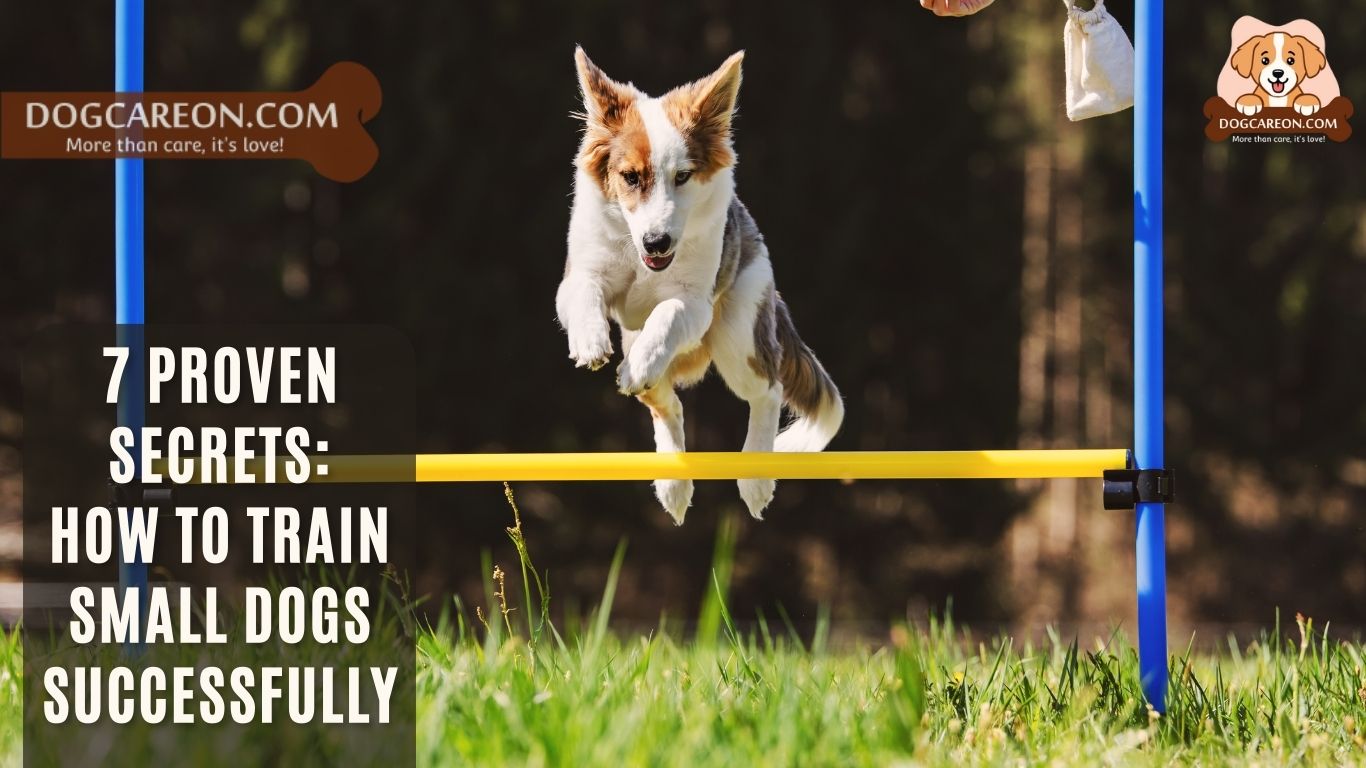
Learning how to train small dogs doesn’t have to feel like wrestling a whirlwind. Sure, these pint-sized pups pack enormous personalities into tiny frames, but that’s exactly what makes them so special. Many owners mistakenly believe small dogs are harder to train than their larger counterparts. That’s simply not true. The real challenge? We often baby them too much. I’ve watched countless Chihuahuas, Pomeranians, and Yorkshire Terriers run circles around their well-meaning owners simply because nobody set proper boundaries. But here’s the good news: once you understand how to train small dogs using the right approach, you’ll unlock a well-behaved companion who respects you while keeping all that spunky charm intact. Ready to get started?
Understanding Your Small Dog’s Mindset
Why Small Dogs Behave Differently
When you learn how to train small dogs, understanding their unique perspective is crucial. Small dogs aren’t just miniature versions of large breeds. Their perspective on the world is fundamentally different. Think about it: everything towers over them. That mail carrier? A giant. That friendly Golden Retriever at the park? Absolutely massive.
This constant size disadvantage creates what I call “Napoleon syndrome” in many small breeds. They compensate for their stature with bold, sometimes aggressive behavior. It’s not really aggression, though. It’s fear wearing a tough-guy costume.
The Small Dog Syndrome Trap
We’ve all seen it. A Yorkie lunging and barking at every passerby while the owner laughs it off. Oh, she’s just being protective!” But would that same behavior be acceptable in a German Shepherd? Absolutely not.
This double standard creates what trainers call Small Dog Syndrome. When we excuse bad behavior because our dog is “too small to cause harm,” we’re actually setting them up for anxiety and behavioral problems. Learning how to train small dogs means holding them to the same standards. Your Maltese deserves the same training standards as any Mastiff.
Essential Training Principles for Small Breeds
Start with the Right Expectations
First things first: small dogs are just as intelligent as large dogs. Sometimes more so. That Papillon? They’re ranked as one of the smartest breeds, period. So don’t lower your expectations just because your dog fits in a purse.
However, you do need to adjust your methods. Small dogs have smaller bladders (housetraining takes longer), shorter attention spans in some cases, and different physical capabilities. You’re not going to train a Dachshund to jump through hoops three feet high, right?
The Power of Positive Reinforcement
Positive reinforcement isn’t just trendy dog-training jargon. It’s the foundation of how to train small dogs effectively. Here’s why it works brilliantly with tiny breeds:
Small dogs can be sensitive souls. Harsh corrections or punishment-based training often backfires, creating fearful or defensive behaviors. Instead, rewarding good behavior creates a dog who’s eager to learn and please.
What does this look like practically? Catch your Shih Tzu sitting quietly? Treat. Your Pug came when called? Jackpot of treats and praise. Make good behavior more rewarding than bad behavior, and watch the magic happen.
Core Commands Every Small Dog Should Know
Sit and Stay: The Foundation
These aren’t just cute party tricks. Sit and Stay are safety commands that can literally save your dog’s life. Picture this: your Pomeranian spots a squirrel and bolts toward a busy street. A solid “Stay” command? That’s what stops them in their tracks.
Teaching Sit is straightforward. Hold a treat close to your dog’s nose, then slowly move it up and back over their head. Their bottom naturally drops. The moment it touches the ground, say “Sit” and give the treat. Repeat until they’ve got it. This is one of the first steps when you learn how to train small dogs effectively.
Stay requires more patience. Start with Sit, then hold your palm out like a stop sign and say “Stay.” Take one step back. If they hold position for even two seconds, return and reward. Gradually increase distance and duration.
Come When Called: Non-Negotiable
A reliable recall is absolutely critical for small dogs. They’re flight risks. They can squeeze through tiny gaps in fences. They’re tempting targets for predators in some areas.
Never, ever punish your dog when they come to you, even if they ignored you for ten minutes first. The moment they return, it’s celebration time. Otherwise, you’re teaching them that coming to you leads to bad things.
Leave It and Drop It: Saving You Headaches
Small dogs are notorious for eating things they shouldn’t. Rocks, dead birds, that mysterious thing under the couch. “Leave It” means don’t touch it in the first place. “Drop It” means spit out whatever’s in your mouth right now.
These commands have saved me countless emergency vet visits with my own dogs. Worth their weight in premium treats.
Housetraining Your Small Dog
Why Small Dogs Take Longer
Let’s address the elephant in the room: small dogs are harder to housetrain. There, I said it. But it’s not because they’re stubborn or less intelligent. It’s pure biology. Understanding how to train small dogs for housetraining requires patience and realistic expectations.
A Chihuahua’s bladder holds maybe a few ounces. They literally can’t “hold it” as long as a Labrador. Plus, accidents are easier to miss. A Great Dane puddle? Impossible to overlook. A Maltese accident behind the couch? You might not find it for days.
The Crate Training Solution
Crate training gets a bad rap, but it’s genuinely one of the most effective ways to housetrain any dog, especially small breeds. Dogs instinctively avoid soiling their sleeping area. A properly sized crate (just big enough to stand, turn around, and lie down) becomes your best training tool.
The key is making the crate positive. Feed meals in there. Toss in special treats randomly. Never use it for punishment. Within days, most dogs start viewing their crate as a safe den rather than doggy jail.
Establishing a Routine
Small dogs thrive on routine. Take your dog out first thing in the morning, after meals, after playtime, after naps, and before bed. Every single time. Yes, it’s tedious at first. But consistency is everything.
When they potty outside, throw a party. I mean it. Act like they just won the lottery. High-pitched praise, treats, happy dance. Make outdoor pottying the best thing that’s ever happened to them.
Socialization: The Game-Changer
Early Socialization Windows
Puppies have a critical socialization window between 3-14 weeks old. During this time, they’re little sponges, soaking up experiences and forming opinions about the world. Miss this window, and you’re playing catch-up forever. This is a non-negotiable part of how to train small dogs successfully.
Expose your small dog puppy to everything: different people, other dogs, various sounds, car rides, new environments. The goal isn’t just exposure—it’s positive exposure. Each new experience should be paired with treats and praise.
Protecting Your Small Dog During Socialization
Here’s where small dog owners need to be extra vigilant. Not every interaction is safe. That well-meaning person wanting to pick up your puppy? Maybe not. That overly excited Boxer at the dog park? Potentially dangerous.
You’re your dog’s advocate. It’s okay to say no. It’s okay to remove your dog from uncomfortable situations. Better to be overprotective during puppyhood than deal with fear-based aggression later.
Common Training Challenges and Solutions
Excessive Barking
Small dogs bark. A lot. It’s often their only defense mechanism in a world of giants. But endless yapping isn’t acceptable for you or your neighbors. When figuring out how to train small dogs, addressing barking is often a top priority.
First, identify why they’re barking. Boredom? Attention-seeking? Genuine alerts? Each cause needs a different solution. For attention-seeking barking, ignore it completely (even eye contact is rewarding). For boredom, increase mental and physical exercise.
Teaching “Quiet” on command works wonders. Let them bark a few times, then hold a treat near their nose and say “Quiet.” The moment they stop to sniff, reward them. Gradually increase the duration of silence required.
Leash Reactivity and Pulling
Ever seen a 5-pound Pomeranian dragging their owner down the street? It’s simultaneously adorable and problematic. Just because they’re small doesn’t mean pulling is okay. Proper leash training is an essential component of how to train small dogs.
Stop moving the instant they pull. Become a tree. When the leash slackens, start walking again. It’s tedious, but most dogs catch on within a week. Pair this with frequent treats for walking nicely beside you.
For reactivity (lunging, barking at other dogs or people), create distance first. You can’t train an overstimulated dog. Once they’re calm enough to take treats, practice “Look at Me” and reward heavily for choosing to focus on you instead of the trigger.
Training Table: Age-Based Milestones
| Age | Training Focus | Expected Skills | Common Challenges |
|---|---|---|---|
| 8-12 weeks | Basic socialization, potty training, name recognition | Responding to name, accepting collar/leash, brief alone time | Frequent accidents, short attention span, nippy play |
| 3-6 months | Core commands (Sit, Stay, Come), continued housetraining | Reliable Sit, emerging Stay, coming when called in low-distraction environments | Teething behavior, testing boundaries, selective hearing |
| 6-12 months | Impulse control, advanced commands, off-leash reliability | Solid basic obedience, polite greetings, settling on command | Adolescent rebellion, increased independence, distraction |
| 1+ years | Refinement, real-world applications, trick training | Reliable obedience in various environments, good manners, specialized skills | Regression during life changes, potential behavioral issues if poorly socialized |
Advanced Training Tips
Mental Stimulation Matters More Than You Think
A tired dog is a good dog, right? Yes, but here’s what most people miss: mental exhaustion is far more effective than physical exhaustion for small dogs. A 30-minute walk might barely tire out your Jack Russell, but 10 minutes of puzzle games? They’ll be zonked. This is an often-overlooked aspect of how to train small dogs for overall good behavior.
Incorporate training into daily life. Make them Sit before meals. Practice Come during play. Hide treats around the house for scavenger hunts. These tiny sessions add up to major behavioral improvements.
Clicker Training for Precision
Clicker training sounds complicated, but it’s just a way to communicate more clearly with your dog. The click marks the exact moment they did something right. It’s like taking a photograph of good behavior.
This precision is especially helpful for small dogs because their movements are quick. Trying to verbally praise the exact moment your Chihuahua’s butt hits the ground during Sit? Nearly impossible. A clicker captures it perfectly.
Trick Training Builds Confidence
Teaching tricks isn’t frivolous. Spin, shake, roll over—these build confidence, strengthen your bond, and provide mental stimulation. Plus, let’s be honest, a Pug who can high-five is pretty fantastic.
Start with simple tricks that play to your dog’s natural behaviors. Does your dog naturally paw at you? Shape it into Shake. Do they twirl when excited? Turn it into Spin.
Managing Multiple Small Dogs
Pack Dynamics Change Everything
Training one small dog is challenging. Training multiple small dogs? That’s next-level complexity. They feed off each other’s energy, both positively and negatively. Understanding how to train small dogs in a multi-dog household requires extra strategy.
The key is training them individually first, then together. Each dog needs to understand commands independently before you can expect them to perform in a group setting. Otherwise, you’ll have chaos disguised as cuteness.
Preventing Littermate Syndrome
Getting two small dog puppies at once seems efficient. One training session, two trained dogs, right? Wrong. Littermate syndrome is real and problematic.
Puppies bonded too closely to each other often struggle to bond with humans, develop separation anxiety from each other, and fight for resources. If you must have two puppies, raise them as separately as possible during the first year.
Health Considerations That Affect Training
Physical Limitations to Remember
Small dogs have delicate structures. Jumping off furniture can cause injuries. Rough play with large dogs can be dangerous. Intense exercise in extreme weather affects them faster. When you learn how to train small dogs, factoring in their physical limitations keeps them safe.
Adjust your training accordingly. Use ramps instead of expecting repeated jumps. Keep training sessions shorter in hot weather. Choose appropriate playmates at the dog park.
The Treat Balance
Small dogs have small stomachs and fast metabolisms. Training often involves lots of treats, which can quickly lead to weight gain. Use tiny treats (pea-sized or smaller), incorporate their regular kibble as training rewards, or use part of their meal allowance during training sessions.
An overweight small dog faces serious health risks: joint problems, diabetes, heart disease. Don’t let training success come at the cost of their health.
Frequently Asked Questions
How long does it take to train a small dog?
Basic obedience typically takes 4-6 months of consistent training for most small dogs. However, training is really a lifelong process. You’ll continue refining behaviors and teaching new skills throughout your dog’s life. The initial housetraining period usually takes 4-6 months, sometimes longer for toy breeds due to their smaller bladder capacity. Remember, how to train small dogs effectively depends heavily on your consistency and patience.
Are small dogs harder to train than large dogs?
Not inherently, no. Small dogs are equally intelligent and capable of learning. The challenge comes from how we treat them differently. We tend to excuse bad behavior in small dogs that we’d never tolerate in large breeds. When held to the same standards and trained with consistency, small dogs learn just as reliably as their larger counterparts. Learning how to train small dogs with proper expectations makes all the difference.
What’s the best age to start training a small dog?
Start immediately. If you bring home an 8-week-old puppy, training begins day one. This doesn’t mean intensive obedience sessions—it means teaching them their name, where to potty, and basic household rules. Formal command training can start around 8-10 weeks. The earlier you establish good habits, the easier everything becomes. Many new owners wonder how to train small dogs at different ages, but the answer is simple: start now, regardless of age.
Why does my small dog ignore commands they know?
Several reasons: insufficient practice in distracting environments, inconsistent enforcement, better rewards elsewhere, or they genuinely didn’t hear you. Small dogs are closer to the ground and farther from your face—they might not be picking up on your visual cues. Get down to their level, ensure you have their attention before commanding, and make sure following commands is always rewarding. This is a common challenge when learning how to train small dogs in real-world situations.
Should I use a trainer or train my small dog myself?
Both approaches work, and combining them is often ideal. A good trainer can identify issues you might miss and teach you proper technique. However, you’ll do the bulk of daily training regardless. Consider group classes for socialization benefits and one-on-one sessions if you’re dealing with specific behavioral problems. The investment in professional guidance often prevents bigger problems down the road. Whether you’re learning how to train small dogs on your own or with professional help, consistency remains the key to success.
Conclusion
Learning how to train small dogs successfully boils down to three things: consistency, patience, and treating them like the real dogs they are. These aren’t accessories or eternal puppies—they’re intelligent animals deserving of proper training and boundaries. Yes, they’re adorable. Yes, they fit in your lap. But they’re still dogs who need structure, mental stimulation, and clear communication.
The journey won’t always be smooth. You’ll have setbacks. Your Pomeranian will have selective hearing at the worst moments. Your Shih Tzu will test every boundary you set. That’s normal. What matters is showing up every day with consistent expectations and positive reinforcement.
The reward? A well-adjusted, confident small dog who’s a joy to live with. A companion who comes when called, doesn’t terrorize the mailman, and makes you proud at the vet’s office. That’s worth every training session, every cleaned-up accident, and every moment of frustration along the way. Your small dog is capable of amazing things—sometimes they just need you to believe it first. When you master how to train small dogs with the right techniques, you unlock their full potential as the wonderful companions they were meant to be.
Resources and Further Reading
For additional support on your training journey, consider these reputable resources:
- American Kennel Club (AKC) Training Resources: https://www.akc.org/expert-advice/training/ – Comprehensive guides on all aspects of dog training, including breed-specific advice for small dogs.
- Association of Professional Dog Trainers: Offers a directory to find certified trainers in your area who specialize in positive reinforcement methods.
- Karen Pryor Clicker Training: Excellent resource for learning clicker training techniques that work particularly well with small breeds.
Remember, every dog is unique. What works for one Pomeranian might not work for another. Stay flexible, keep learning, and most importantly, enjoy the process of building an incredible relationship with your small but mighty companion.