
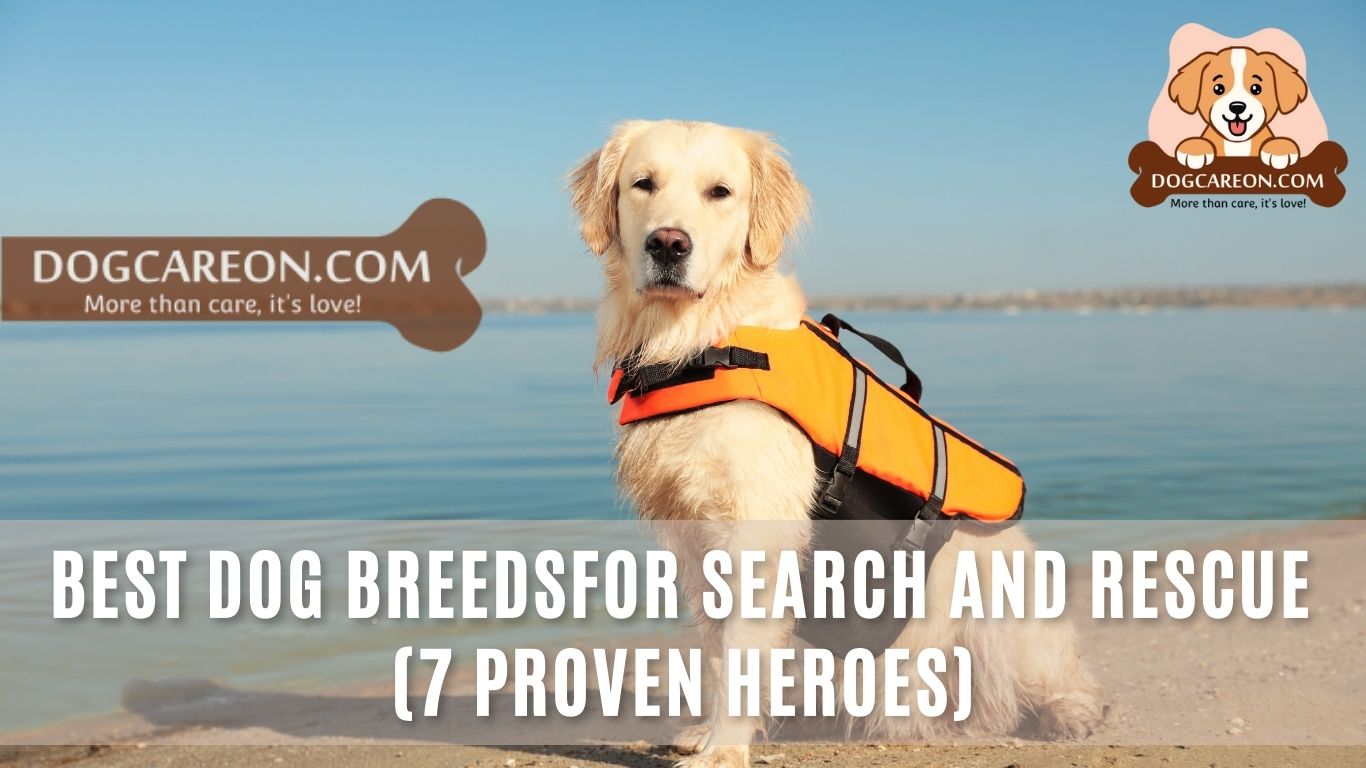
Who comes to save lives when a tragedy happens? A lot of the time, it’s a four-legged hero with a great nose and a strong will. Some of the best working dogs in the world are dog breeds that are used for search and rescue. These canines have a one-of-a-kind mix of intelligence, stamina, and sensory skills that make them the best choice for emergencies. Dog breeds for search and rescue have saved many lives throughout the years, from buildings that have fallen down to areas where avalanches happen. This complete book covers everything you need to know about these amazing animals, whether you want to train a search and rescue dog or just want to know what makes them so remarkable.
What Makes a Great Search and Rescue Dog?
Not all dogs are able to accomplish the hard labor of search and rescue. These canines have to work in messy places, stay concentrated for hours, and keep going even when things are uncomfortable or even dangerous.
Essential Physical Traits
The physical needs are very high. A search and rescue dog needs more endurance than most marathon runners. They’re climbing over rubble, making their way through thick woodlands, or trudging through deep snow. It’s not always about being the biggest dog, but size does important. Medium to large breeds usually do well since they are strong and can last a long time. They are also quick enough to go around tight spaces.
What is their sense of smell? It’s nothing short of a miracle. Dogs have up to 300 million smell receptors, while we only have 6 million. That’s why they can smell people through layers of concrete, under feet of snow, or over large stretches of wilderness.
Temperament and Intelligence
Here’s where it gets interesting. A search and rescue dog needs the perfect cocktail of personality traits. They must be:
- Highly trainable: These dogs need to learn complex commands and execute them flawlessly under pressure
- Motivated by rewards: Whether it’s treats, toys, or praise, they need that drive to keep searching
- Confident but not aggressive: They’ll encounter stressed survivors and chaotic scenes
- Focused: Distractions are everywhere in disaster zones
- Sociable: They work alongside handlers and other rescue personnel
You can’t train drive into a dog that doesn’t have it naturally. That’s why breed selection matters so much.
Work Ethic and Drive
The best search and rescue dogs possess what trainers call “hunt drive” or “prey drive.” They see finding people as the ultimate game, and they’re absolutely relentless about winning. I’ve watched these dogs work, and their enthusiasm never wavers—even after hours of searching.
Top Dog Breeds for Search and Rescue
Let me walk you through the breeds that have proven themselves time and again in the field.
German Shepherd
Is anyone surprised that German Shepherds are at the top? These pups are like Swiss Army knives for working dogs. They are great at almost all kinds of search and rescue activities, like finding missing people and those who are still alive in structures that have fallen down.
People talk about how smart they are all the time. You only need to repeat a command a few times for your German Shepherd to learn it. They are powerful enough to work in tough terrain and quick enough to go around obstacles. They also have this amazing capacity to keep calm when things are crazy.
The breed has strong defensive instincts, but these are kept in check. They won’t get sidetracked by hostile conduct or fear. German Shepherds were among of the most famous search and rescue canines. They operated at Ground Zero following 9/11.
Labrador Retriever
Labs might seem like they’re just friendly family pets, but don’t let that fool you. These dogs are serious workers when given a job. Their nose is phenomenal, which is why they dominate in detection work—from search and rescue to cadaver detection.
What makes Labs special? Their temperament is almost perfect for this work. They’re friendly enough to comfort survivors, but driven enough to search for hours. They’re also incredibly adaptable. Water search? No problem. Wilderness tracking? They’re on it. Urban disaster? They’ll navigate the rubble without hesitation.
Labs also have incredible stamina. They were bred to retrieve game all day long, which translates beautifully to sustained search operations. And honestly, their enthusiasm is contagious—they make the grueling work seem almost fun.
Golden Retriever
Some of the same things that make Labs great are also true of Golden Retrievers, but they also have their own unique attributes. They are very soft, which makes them perfect for circumstances where they will be around people who have been hurt, especially kids.
They are just as smart and easy to train as any other dog. Goldens really want to make their owners happy, which makes training them easy. They are also quite strong, both in body and mind. It doesn’t seem like search and rescue work stresses them out as much as it does other, more sensitive breeds.
I know that Goldens are often quite good at finding avalanches. They seem to enjoy working in the snow and cold, and their thick coats keep them warm.
Belgian Malinois
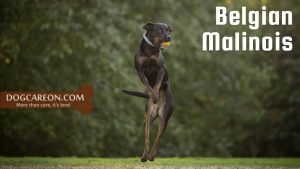
The Belgian Malinois is plenty of intensity if that’s what you want. These dogs are like German Shepherds that have had three espressos: they are full of energy, very concentrated, and never stop working.
Malinois dogs are becoming more and more popular for search and rescue because they are smart and easy to train, and they are also quite athletic. They are incredibly swift, can work for long periods of time without becoming tired, and their prey drive is through the roof.
The problem? They require somebody who can handle their level of intensity. A Malinois won’t be thrilled if they have to sit around between training sessions. They need to be mentally and physically active all the time.
Border Collie
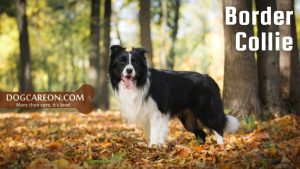
Border Collies are the Einstein of the dog world. Their intelligence is almost scary—they can learn incredibly complex search patterns and remember them perfectly. They’re bred to work all day herding sheep, so stamina isn’t an issue.
What’s particularly impressive about Border Collies is their problem-solving ability. If a standard search pattern isn’t working, they’ll adapt and try different approaches. They’re also incredibly agile, making them excellent for wilderness search and rough terrain.
The downside? Their herding instincts can sometimes create challenges. They need handlers who understand how to channel that intense focus appropriately.
Bloodhound
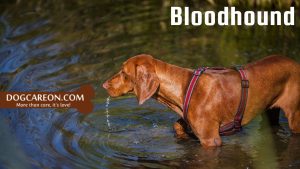
When it comes to tracking, Bloodhounds are in a class by themselves. These dogs have the most powerful noses in the canine kingdom—their ability to follow a scent trail is absolutely unmatched.
A Bloodhound can follow a scent trail that’s days or even weeks old. They can track across varied terrain, through water, and even in urban environments where countless other scents would confuse lesser dogs. Their long, droopy ears actually help—they sweep scent particles up toward that magnificent nose.
They’re gentle giants with people, which makes them safe around survivors. However, they’re single-minded when following a trail. Once they’re on a scent, good luck getting their attention on anything else!
Saint Bernard
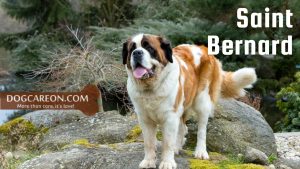
The famous mountain rescue dog is true to its moniker. People in the Swiss Alps bred Saint Bernards to help in rescues in the mountains. They are huge, robust, and can tolerate the cold, so they are perfect for looking for avalanches.
These big, calm animals are incredibly patient. victims say they brought small barrels of brandy to warm up victims who had survived an avalanche, but that part might not be accurate. What is definitely true? They can detect people buried under a lot of snow and are big enough to help dig them out or keep survivors warm.
Saint Bernards nowadays still do this, although they are commonly mixed with other breeds to make them more athletic while preserving their cold-weather benefits.
Specialized Search and Rescue Roles
Different disasters require different skills. Let’s break down how dog breeds for search and rescue specialize in various missions.
Wilderness Search and Rescue
Wilderness search involves tracking lost hikers, children, or people with dementia who’ve wandered off. This requires dogs with excellent tracking abilities and the stamina to cover massive areas of rough terrain.
Bloodhounds excel here because of their trailing abilities. They can start with a scent article (a piece of clothing) and follow that specific person’s track for miles. German Shepherds and Belgian Malinois are also popular because they can cover ground quickly and handle difficult terrain.
The challenges are significant. Weather can wash away scent trails. Terrain might be treacherous. Wildlife can provide distracting scents. The dog needs focus and determination to stay on task.
Urban Disaster Search and Rescue
When buildings collapse or disasters strike cities, urban search and rescue dogs navigate rubble, confined spaces, and dangerous structures. German Shepherds, Labs, and Border Collies dominate this specialty.
These dogs need confidence to climb unstable rubble piles. They must be small enough to fit through gaps but strong enough to be safe in dangerous environments. They’re trained to alert handlers when they detect human scent, then pinpoint the location as precisely as possible.
Urban disaster work is physically demanding and emotionally challenging. These dogs work in uncomfortable conditions—sharp debris, unstable footing, strong odors from gas leaks or fires. Their drive has to overcome significant discomfort.
Avalanche Search and Rescue
Avalanche work requires dogs who love cold weather and can work quickly. Time is absolutely critical—survival rates drop dramatically after 15-20 minutes of burial.
Saint Bernards were the originals, but modern avalanche teams often use German Shepherds, Belgian Malinois, and Border Collies because they’re faster and more agile. These dogs are trained to detect human scent through snow and can pinpoint burial locations within inches.
The physical demands are extreme. Deep snow is exhausting to move through. Temperatures are dangerous. The dogs need thick coats or protective gear, plus the conditioning to maintain their speed in these conditions.
Water Search and Rescue
Water search requires completely different skills. Newfoundlands are the gold standard, but Labs and Golden Retrievers also excel.
These dogs must be strong swimmers who can work in cold water, handle currents, and approach panicked people safely. They’re trained to tow people to safety or retrieve bodies in drowning situations.
Some water search dogs work from boats, alerting handlers to underwater remains. Others swim out to rescue struggling swimmers. The best ones combine swimming ability with a calm temperament that keeps victims from panicking.
Training Dog Breeds for Search and Rescue
You can’t just take any puppy and turn them into a search and rescue dog. The training process is lengthy, demanding, and requires serious commitment.
Starting with the Right Puppy
Selection starts in puppyhood. Trainers look for puppies with high toy drive, confidence, and resilience. They test puppies’ reactions to strange sounds, new surfaces, and novel objects. A good search and rescue prospect stays curious and engaged, not fearful or disinterested.
Many programs start training as early as 8-10 weeks. Early socialization is critical. These puppies need exposure to all sorts of environments, people, and situations while they’re young and adaptable.
Foundation Training
First comes basic obedience. A search and rescue dog needs to be able to come back when called, work off-leash, and follow orders even when there are distractions. It takes months of regular training to do this.
Next is the introduction to search work. Most games are “runaway games,” where a helper goes away and hides, and the puppy has to find them. What is the reward? A big party with toys and sweets. This makes people think that finding people is the best thing ever.
The problems get worse over time. Hides get harder. Things get increasingly complicated in the world. There are more things to do. The dog learns to pay attention when there are sounds, movement, and other smells around.
Specialized Certification
Full certification typically takes 12-24 months of intensive training. Dogs must pass rigorous tests demonstrating their ability to:
- Search assigned areas systematically
- Detect human scent reliably
- Alert their handler appropriately
- Work safely in challenging environments
- Maintain focus for extended periods
Certification standards vary by organization, but they’re all demanding. The failure rate is high—many dogs who start training never make it to certification. This isn’t a reflection on the dogs’ intelligence or value as companions. Search and rescue work requires a very specific combination of traits that not every dog possesses.
Continuing Education
Certification isn’t the end. These dogs train regularly to maintain their skills. Most work with their handlers several times per week, practicing scenarios and keeping their skills sharp.
The handler-dog bond is crucial. These teams need to work as seamless units, communicating through subtle cues and trusting each other completely.
Comparison Table: Dog Breeds for Search and Rescue
| Breed | Size | Best Specialty | Trainability | Stamina | Cold Weather Tolerance | Key Strength |
|---|---|---|---|---|---|---|
| German Shepherd | Large | Urban disaster, tracking | Excellent | Very High | Good | Versatility and reliability |
| Labrador Retriever | Large | All-purpose, detection | Excellent | Very High | Good | Adaptability and nose work |
| Golden Retriever | Large | All-purpose, avalanche | Excellent | Very High | Very Good | Gentle temperament |
| Belgian Malinois | Medium-Large | Urban disaster, tracking | Excellent | Exceptional | Good | Intensity and speed |
| Border Collie | Medium | Wilderness, agility work | Outstanding | Very High | Moderate | Intelligence and agility |
| Bloodhound | Large | Tracking, trailing | Good | High | Moderate | Unmatched scenting ability |
| Saint Bernard | Giant | Avalanche, cold weather | Good | Moderate | Excellent | Cold weather strength |
The Handler-Dog Partnership
A search and rescue dog is only as effective as its handler. This partnership requires years to develop and demands complete mutual trust.
Handler Requirements
Handlers need physical fitness to keep up with their dogs in challenging terrain. They need to understand canine behavior and communication. Most importantly, they need commitment—handlers typically volunteer hundreds of hours annually to training and deployments.
Many handlers work with multiple dogs over their careers. When one dog ages out of active duty (typically around 8-10 years old), they begin training a successor. The knowledge and experience handlers gain is invaluable.
Communication and Trust
In the field, handlers read their dogs’ body language to identify changes in behavior that might indicate a find. Dogs learn to trust that their handlers will keep them safe in dangerous environments.
This bond develops through countless training hours. Handlers learn their individual dog’s working style, strengths, and quirks. The best teams seem to communicate almost telepathically.
Challenges in Search and Rescue Work
Let’s be honest—this work isn’t easy for dogs or handlers.
Physical Demands
Dogs can suffer injuries from sharp debris, extreme temperatures, or physical exhaustion. Many end their careers early due to joint problems or other work-related health issues.
Handlers must monitor their dogs carefully for signs of fatigue, stress, or injury. Pushing a dog too hard can be dangerous and counterproductive.
Emotional Impact
Does search and rescue work affect dogs emotionally? This is debated among experts. Some believe that dogs experience frustration or stress when searches don’t result in live finds. Others argue that dogs view it purely as a game, caring only about the search process and reward.
What’s clear is that dogs need positive reinforcement and success. Trainers often stage “practice finds” during real operations to ensure dogs get the reward of finding someone alive.
Cost and Time Commitment
Training a search and rescue dog is expensive. Equipment, training courses, veterinary care, and travel to deployments add up quickly. Most handlers fund this themselves, though some receive support from their organizations.
The time commitment is substantial. Between regular training, maintenance work, and actual deployments, handlers might invest 10-20 hours weekly.
Frequently Asked Questions
Can mixed breed dogs become search and rescue dogs?
Absolutely! While purebreds are common, many successful search and rescue dogs are mixed breeds. What matters is the individual dog’s temperament, drive, and physical abilities—not their pedigree. Some of the most talented search dogs I’ve encountered were rescues or mixed breeds who happened to have the perfect combination of traits. If a dog shows the necessary characteristics, breed doesn’t matter.
At what age should training start for dog breeds for search and rescue?
Serious training can begin around 12-18 months once dogs are physically mature, but foundation work should start much earlier. Puppies as young as 8 weeks can begin socialization and basic “find it” games. Early exposure to different environments, sounds, and surfaces is crucial. However, avoid physically demanding work until growth plates have closed to prevent injury.
How long does a search and rescue dog typically work?
Most search and rescue dogs work actively from about 2 years old until 8-10 years old, though some continue longer if they remain physically capable. After retirement, many become beloved family pets or help train the next generation of search dogs by acting as “victims” for training exercises. The dogs typically live with their handlers throughout their careers and retirement.
What’s the success rate of search and rescue dogs?
Success rates vary dramatically depending on conditions. In ideal situations—recent scent, favorable weather, limited area—dogs might have 90% or higher success rates. However, in challenging conditions like old trails or extensive disaster zones, rates can drop significantly. What’s remarkable is that dogs consistently outperform human searchers and technology in most scenarios. They’re simply the best tool we have for locating missing people.
How do search and rescue dogs differ from police K9s?
While both are working dogs, their roles differ significantly. Police K9s often focus on apprehension, protection, and detection of drugs or explosives. They need controlled aggression. Search and rescue dogs, however, must be friendly and focused purely on finding people. They’re never trained to bite or show aggression. The temperament requirements are quite different, though both require high drive and intelligence.
Can any dog breed learn search and rescue work?
Theoretically, many breeds could learn basic search work, but practical limitations exist. Very small breeds lack the physical stamina for extended searches. Brachycephalic breeds (like Bulldogs) struggle with the intense physical demands due to breathing difficulties. Dogs with low prey drive or poor scenting abilities won’t have the necessary motivation. While many breeds can learn the skills, only those with the right combination of physical ability, temperament, and drive will excel at this demanding work.
Conclusion
In an emergency, search and rescue dogs can be some of the best friends a person can have. These remarkable animals save lives that might otherwise be lost. For instance, a Bloodhound can find its way through deep woods with its keen nose, while a German Shepherd can find its way through dangerous rubble. They don’t worry about their own safety; they are only interested in the thrill of the search.
These dogs are more than simply pets; they are heroes with fur. For instance, a Labrador Retriever finds survivors in a building that has fallen down, a Newfoundland pulls a swimmer who is drowning to safety, and a Saint Bernard finds someone who has been buried by an avalanche.
We should all be very impressed with how dedicated the search and rescue dogs and personnel are. When something horrible happens, these teams are ready because they train for hundreds of hours, frequently on their own time. They stop what they’re doing to help with emergencies, and sometimes they even go across the country to do so.
It will be hard but very gratifying to train a dog to aid with search and rescue. Every hour of training is worth it since you’ll become closer to your dog, acquire new abilities, and maybe even save lives. You could give money to search and rescue groups or volunteer your time to aid these great teams if you just want to support them.
These four-legged soldiers show us that sometimes the best things about humans are their loyalty, courage, and willpower.
External Resources
For more information about search and rescue dogs and training programs, visit:
- National Association for Search and Rescue (NASAR) – Provides certification standards and training resources for search and rescue dogs and handlers
- American Rescue Dog Association (ARDA) – One of the oldest search and rescue dog organizations in the United States
- Federal Emergency Management Agency (FEMA) – Urban Search and Rescue – Information about federal search and rescue standards and certification programs
3 thoughts on “Best Dog Breeds for Search and Rescue (7 Proven Heroes)”